Our Programs
Seven core programs that work together.
Education and screening prevent disease. Outreaches treat it. Food and nutritional support sustains recovery. Scholarships, staff development and youth education make it last. Each program is implemented subject to funding.
Program 01
Medical Outreaches
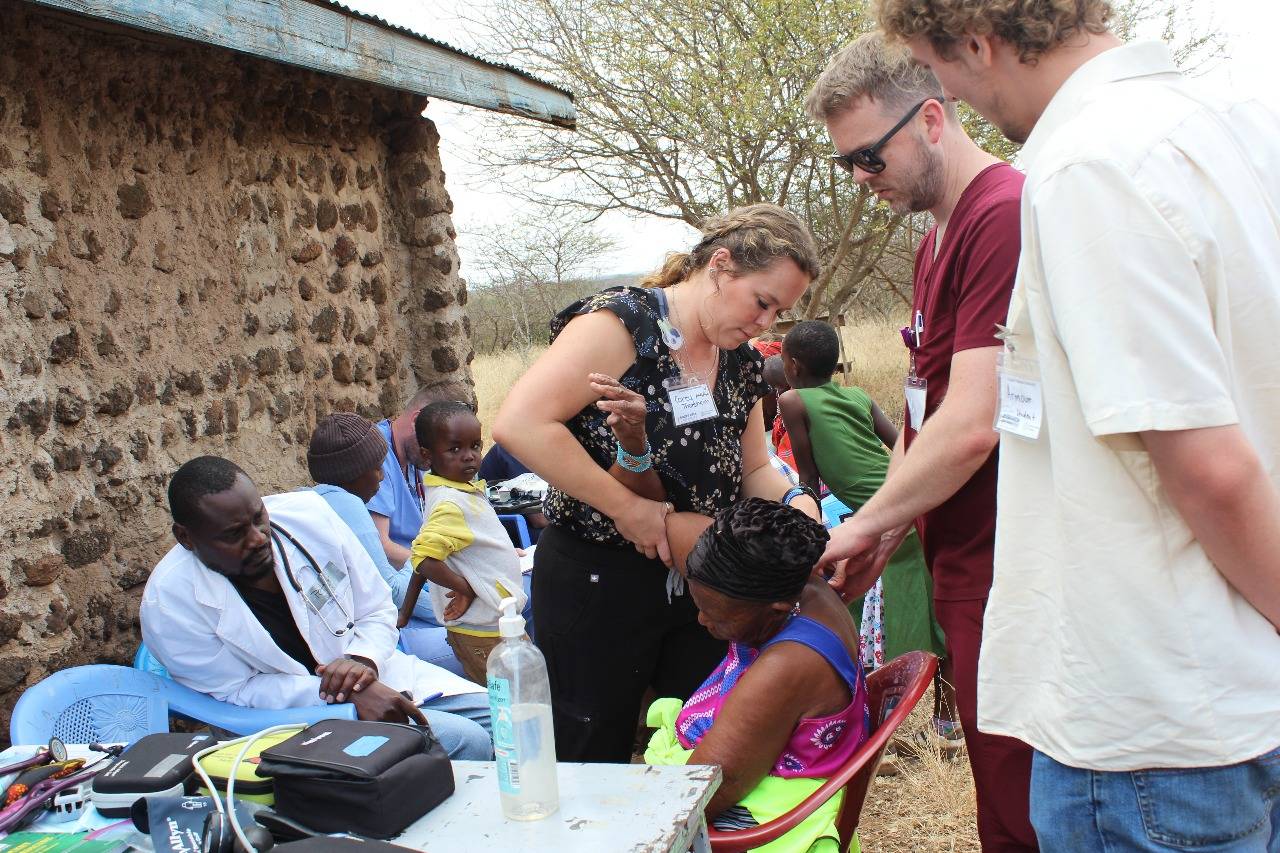
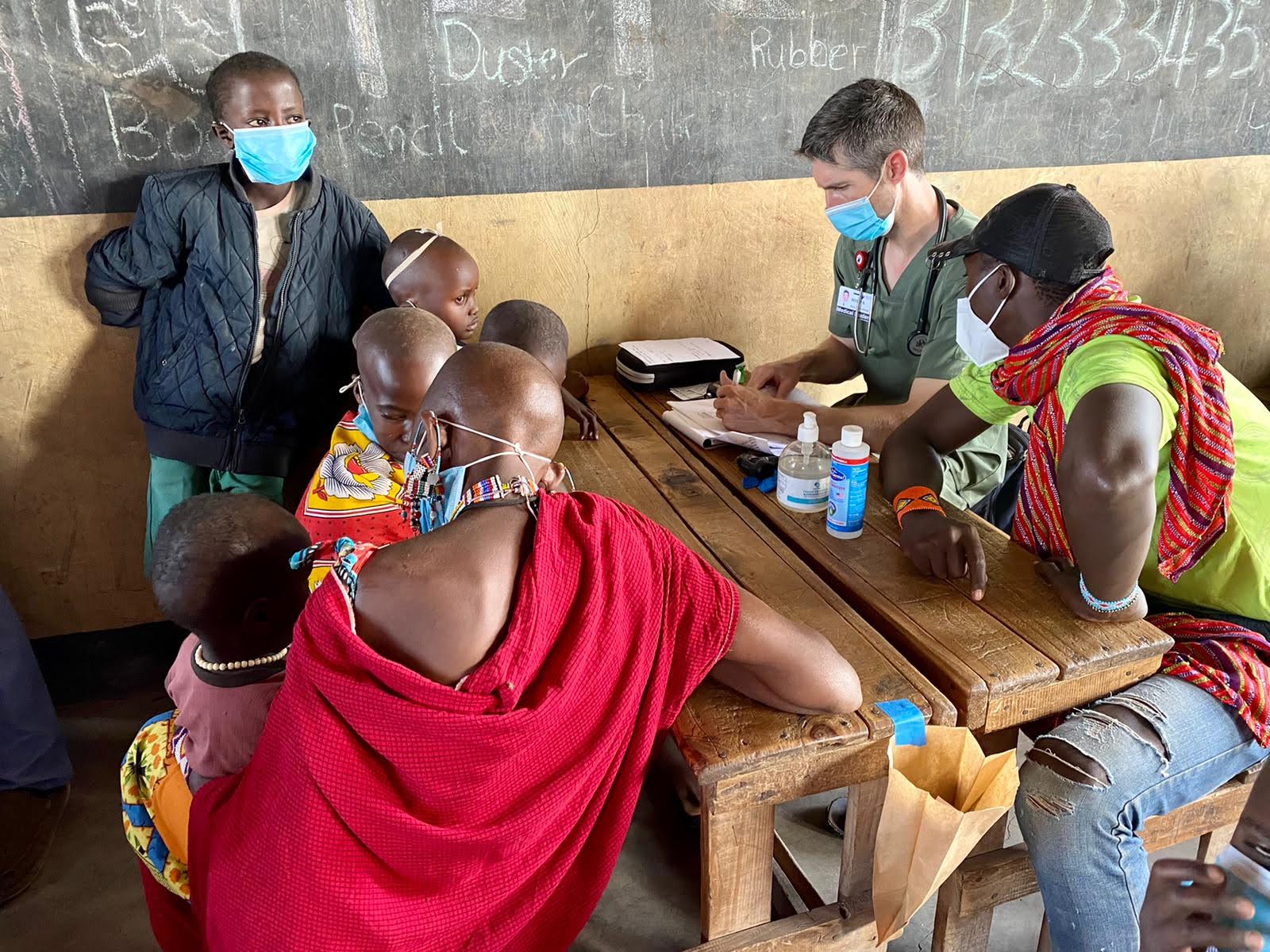
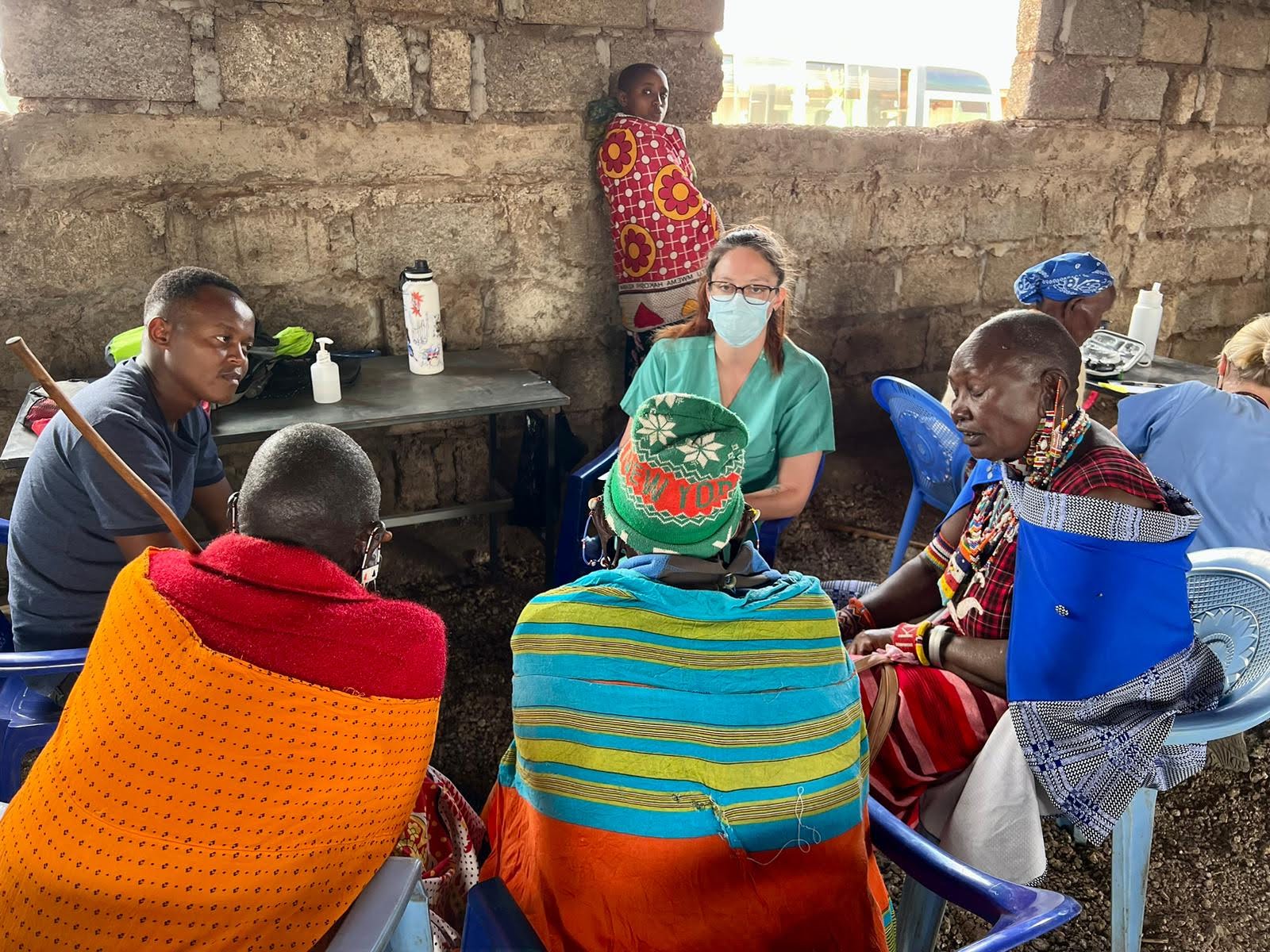
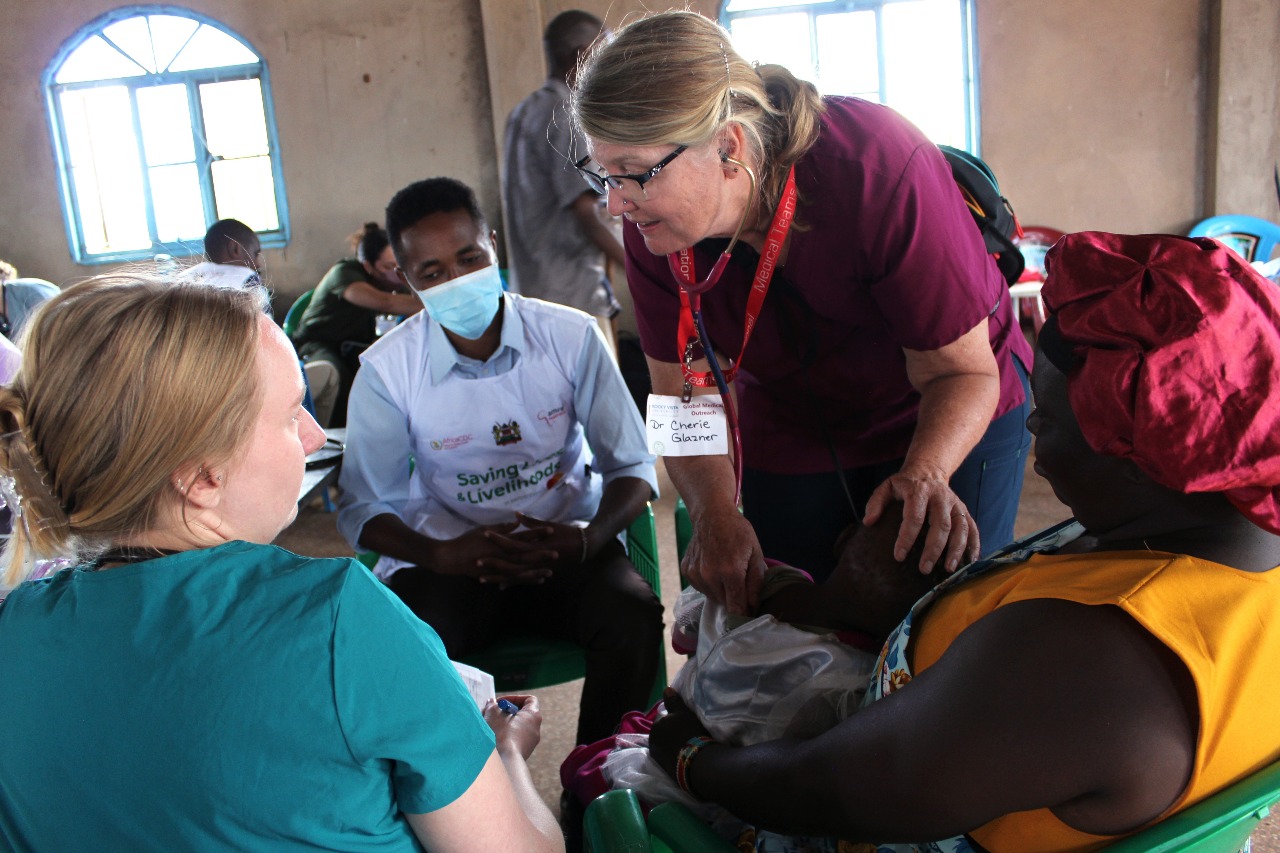
EK implements integrated medical outreach programs across Kajiado County and other underserved areas of Kenya. These outreaches are a strategic response to urgent healthcare needs and function as a key community entry point for engaging with marginalized populations and identifying deeper social and health challenges.
Why medical outreaches?
Access to healthcare in many rural and hard-to-reach areas in Kenya remains limited. Communities face significant barriers:
- Long distances to health facilities and poor road infrastructure
- A severe shortage of healthcare workers
- High cost of treatment in private facilities
- Frequent stock-outs in public health centres
- Limited health literacy, causing delayed treatment and self-medication
During these events EK has often encountered individuals in dire and urgent medical conditions — some requiring immediate transfer to the nearest hospital, sometimes as far as 40 kilometres away, to receive life-saving care.
Scope of services
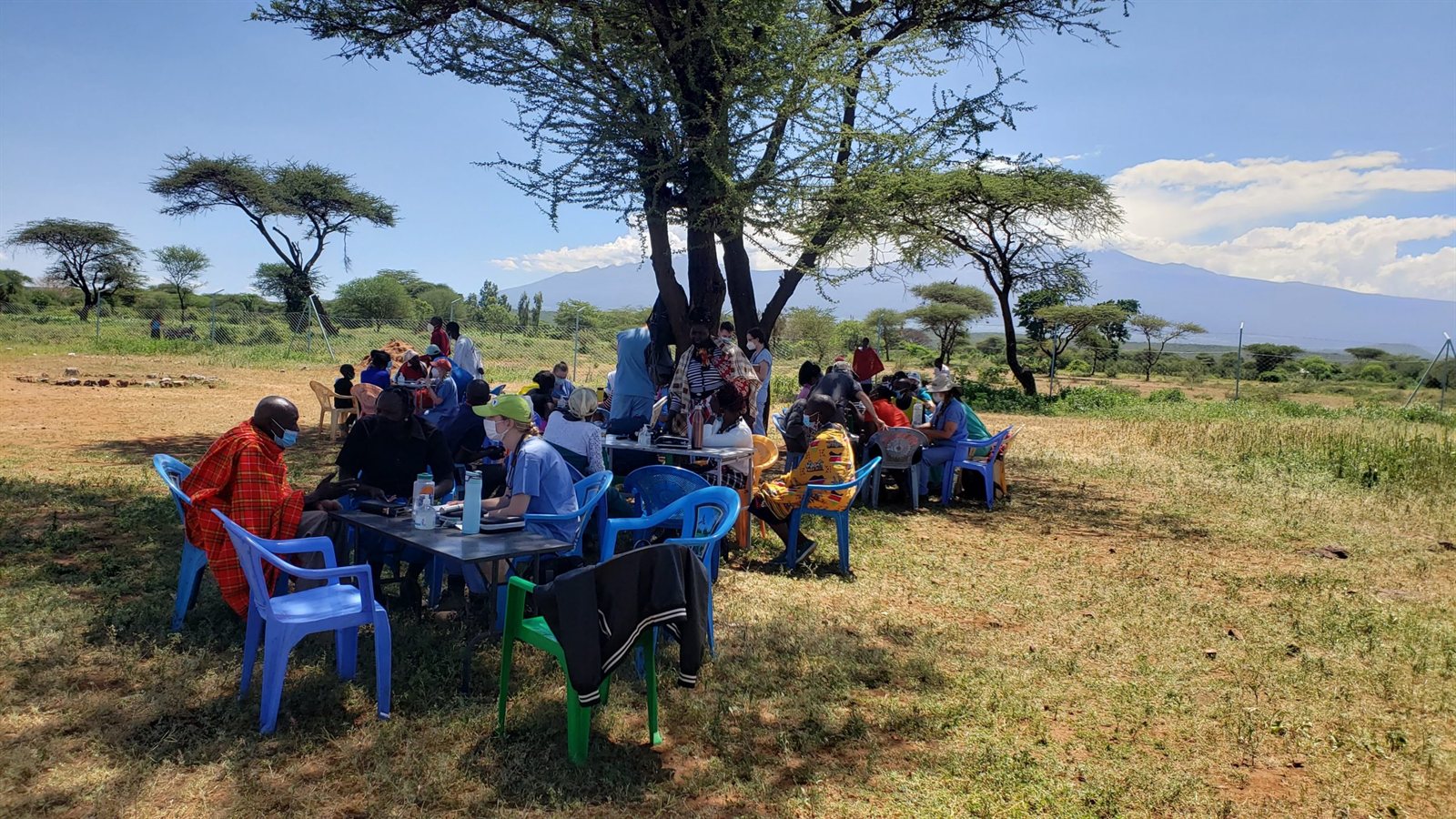
In conjunction with the Ministry of Health, local and foreign medical professionals and community health promoters (CHPs), EK hosts outreaches in rural communities with a package of essential services:
- Diagnosis, treatment and medication for common illnesses
- Vaccination and immunization
- Family planning services
- Antenatal care (ANC) clinics
- Nutrition services
- Preventive screenings — hypertension, diabetes, cervical and breast cancer
- HIV screening
- Mental health
- Health education and behavioural change communication
These services are provided free of charge during outreaches, helping families who otherwise cannot afford care or travel costs.
Program costs vary based on what is offered, and are typically covered by the visiting professional — Entepesi Kenya organizes and plans each event. Join an outreach as a student or professional.
Program 02
Health Education
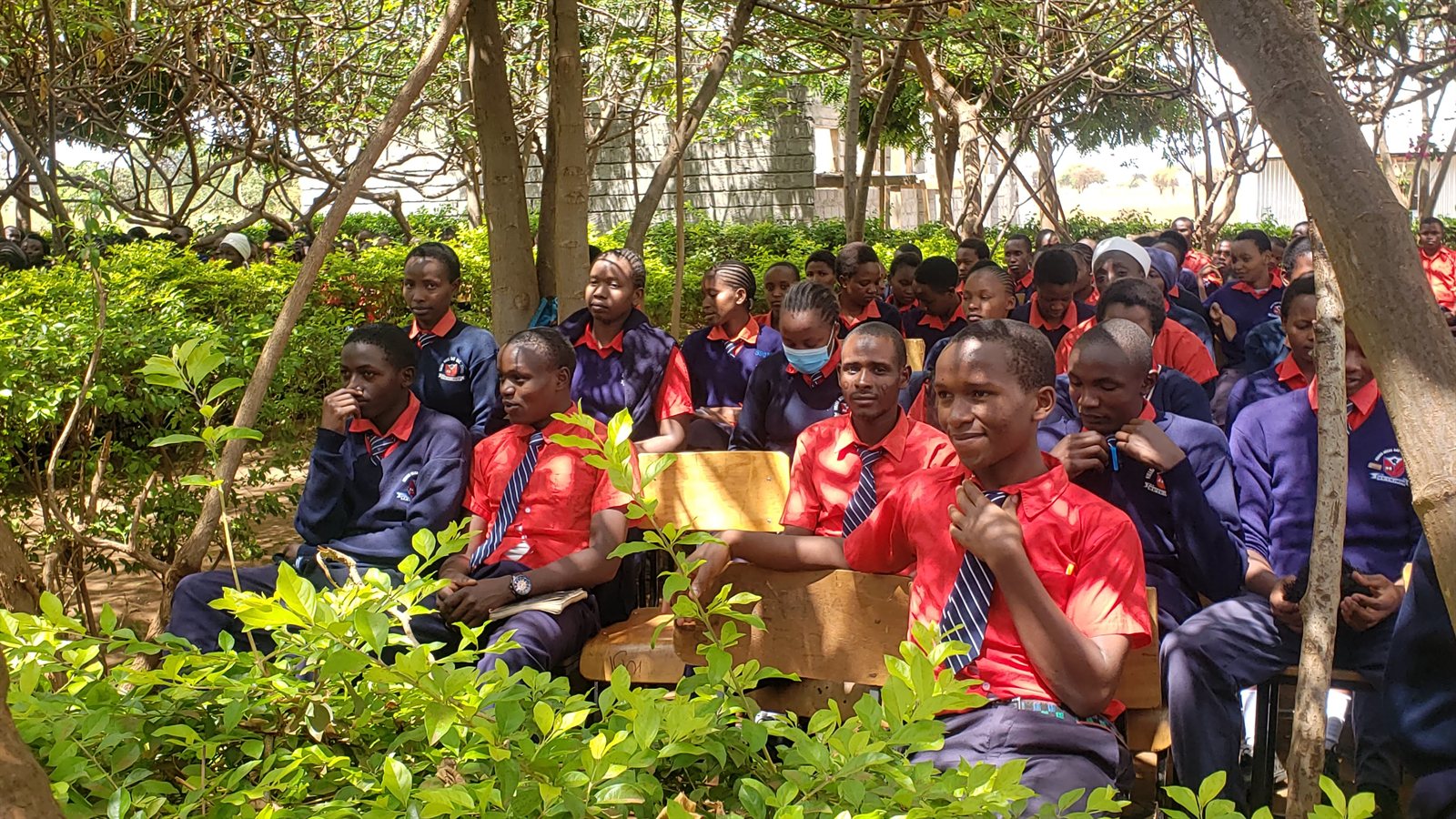
Entepesi Kenya believes that knowledge is a powerful tool for prevention, early detection and responsible health choices. Through its Health Education Program, EK reaches both school environments and the broader community with relevant, age-appropriate and culturally sensitive health information.
School-based health education
EK currently implements health education programs in both primary and secondary schools, with a strong focus on:
- Sexual and reproductive health
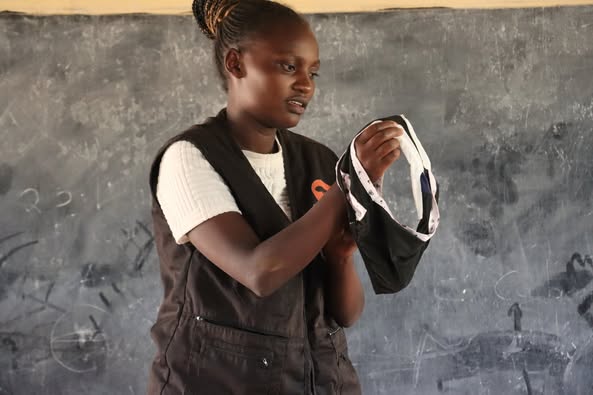
- Menstrual hygiene management
- Mental health awareness
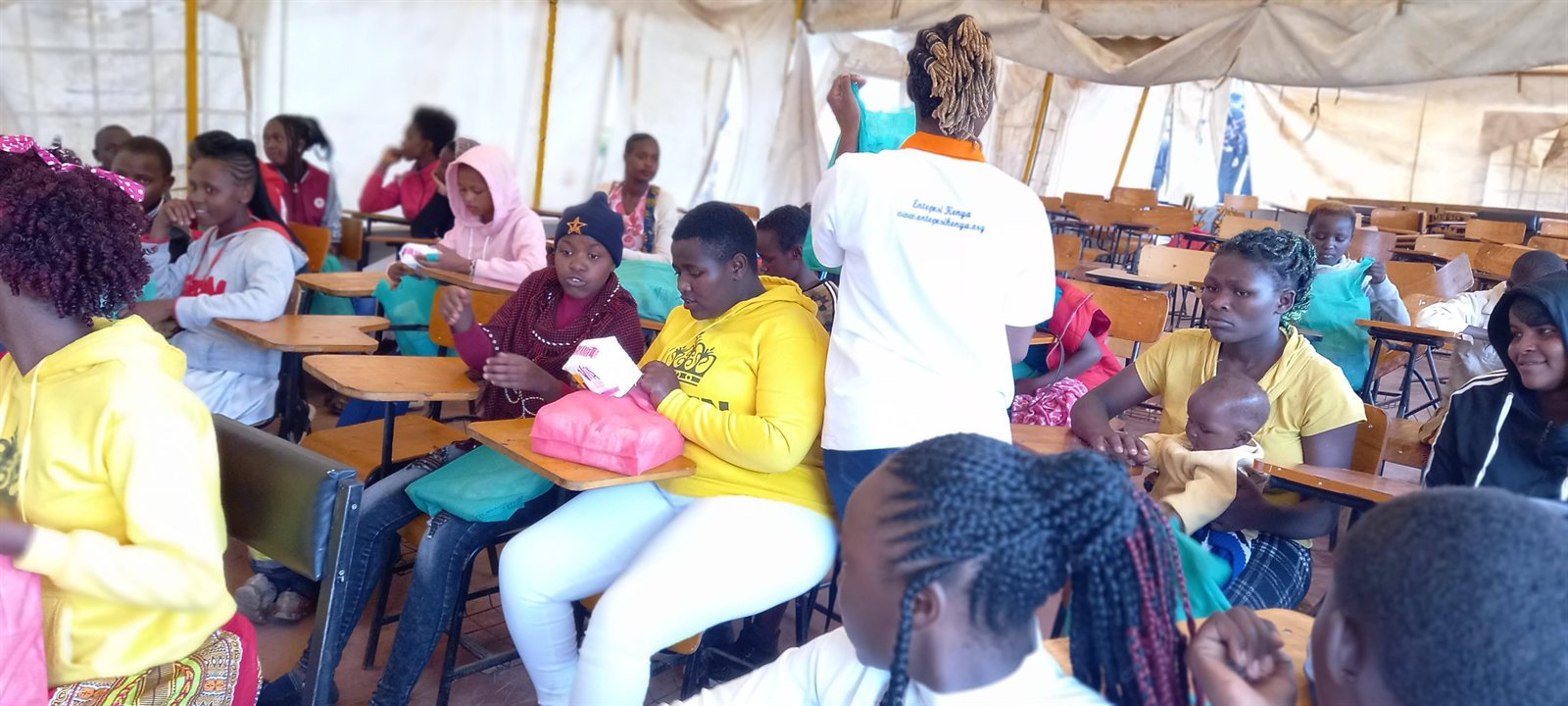
Each module is age-appropriate, ensuring learners receive information that is understandable, relevant and empowering for their developmental stage. The program also facilitates sanitary pad donations to those in need, ensuring dignity and continuity in education.
The long-term vision is to establish health clubs in schools where students continue to learn, engage in peer-to-peer education, and develop into health advocates for their families and communities.
Community health dialogues
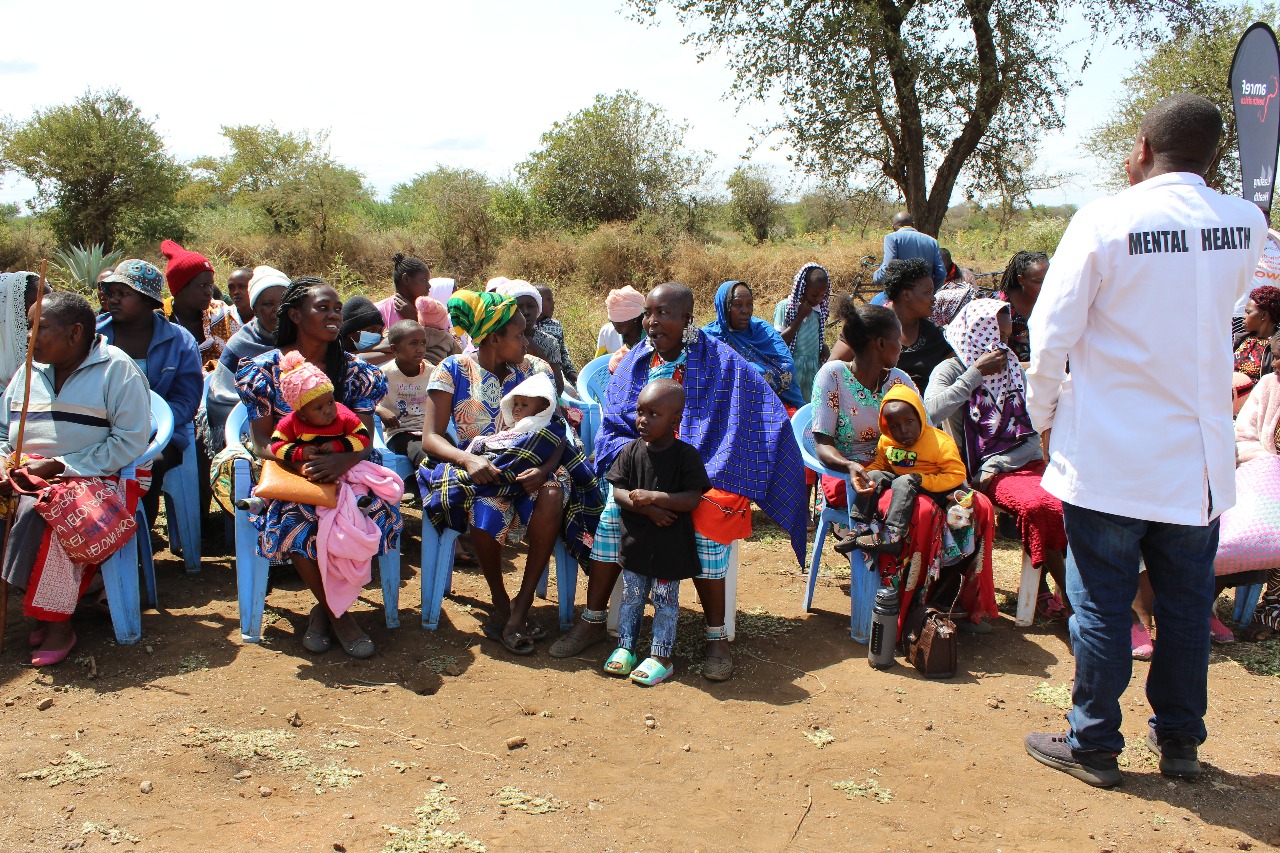
Beyond schools, EK engages local communities through structured health dialogues designed to raise awareness about:
- Common and chronic diseases
- Nutrition and hygiene
- Maternal and child health
- Preventive care and behavioural change
Dialogues are conducted with community health promoters (CHPs), trained facilitators and healthcare providers to ensure local ownership. EK starts conversations inside day-to-day community life — chama meetings, chief's barazas, church gatherings and events — and concludes with screenings for non-communicable diseases and HIV/AIDS.
Training manuals developed with health professionals, county government officers and medical specialists
- Primary School Health Education Manual
- Secondary School Health Education Manual
- Diabetes Community Dialogue Guide
- Hypertension Community Dialogue Guide
- Women's Health Education Manual
- Nutrition and ANC Booklet
Program 03
Prevention Screenings
Screening finds non-communicable diseases early — including in people who have been diagnosed but are not receiving treatment. At community level this is now an active program covering hypertension, diabetes and malnutrition.
How the screening program works
- Community Health Workers in the communities we serve are trained on hypertension, diabetes and malnutrition, and on how to manage chronic illness
- Health dialogues are held twice per month, and community members are screened for hypertension, diabetes and malnutrition at each one
Program 04
Scholarships for future health professionals.
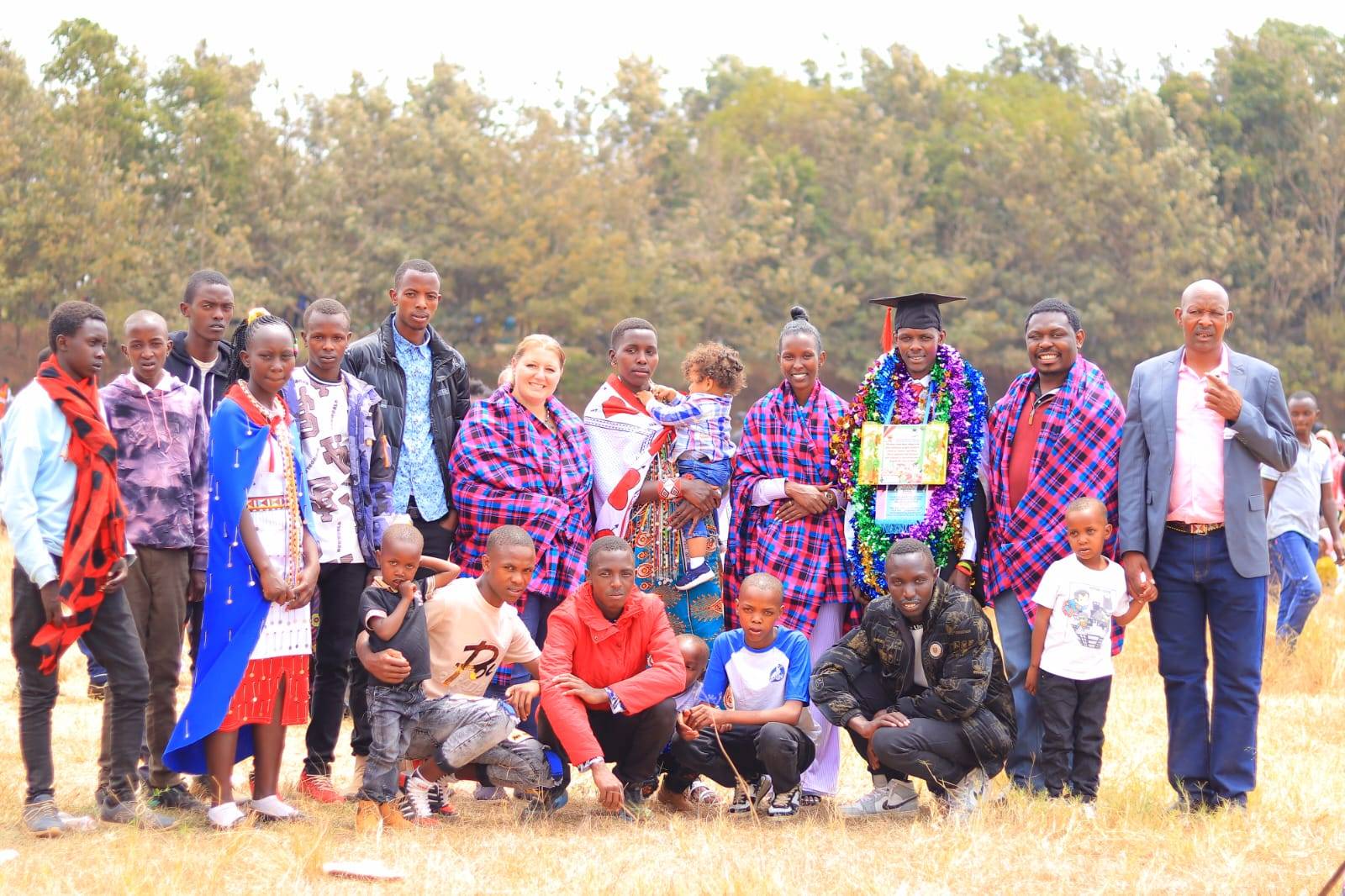
As part of its long-term vision for homegrown solutions to local challenges, EK offers scholarships to deserving and needy students from local communities pursuing health-related degrees, diplomas and certificates.
By supporting bright, motivated youth — particularly those already engaged in EK's programs or from communities served by its outreaches — EK aims to cultivate a generation of locally rooted health workers who understand the context, culture and unique needs of the population.
Program 05
Staff Development
EK runs continuing education for health workers and Community Health Promoters (CHPs), building capacity and understanding of health topics.
Continuing education for health workers
Professionals and specialists come and speak at a short CME (continuing medical education) course for staff, building capacity and understanding of health topics.
Training Community Health Promoters
For CHPs, the courses build their understanding of health information to bring to the communities they serve.
541 health workers have been trained across 61 training events.
Program 06
Food Relief & Nutritional Support
EK addresses critical malnutrition in Kajiado South, where poverty, drought and reliance on livestock leave over 20% of residents at risk of food-related health issues.
- 25.3%Stunting, children under five
- 22.5%Underweight, children under five
- 44%Infants exclusively breastfed
- 37.9%Iron / folic acid uptake in pregnancy
EK responds with targeted food distributions during medical outreaches, prioritizing malnourished children and pregnant or lactating mothers. Partnering with health facilities, EK provides Ready-to-Use Therapeutic and Supplementary Foods, fortified cereals, nutrient supplements and micronutrient powders to aid recovery and prevent relapse.
Through logistical support — transportation, stipends and field coordination — EK ensures that even remote families receive timely, life-saving nutrition aid.
Food relief packages
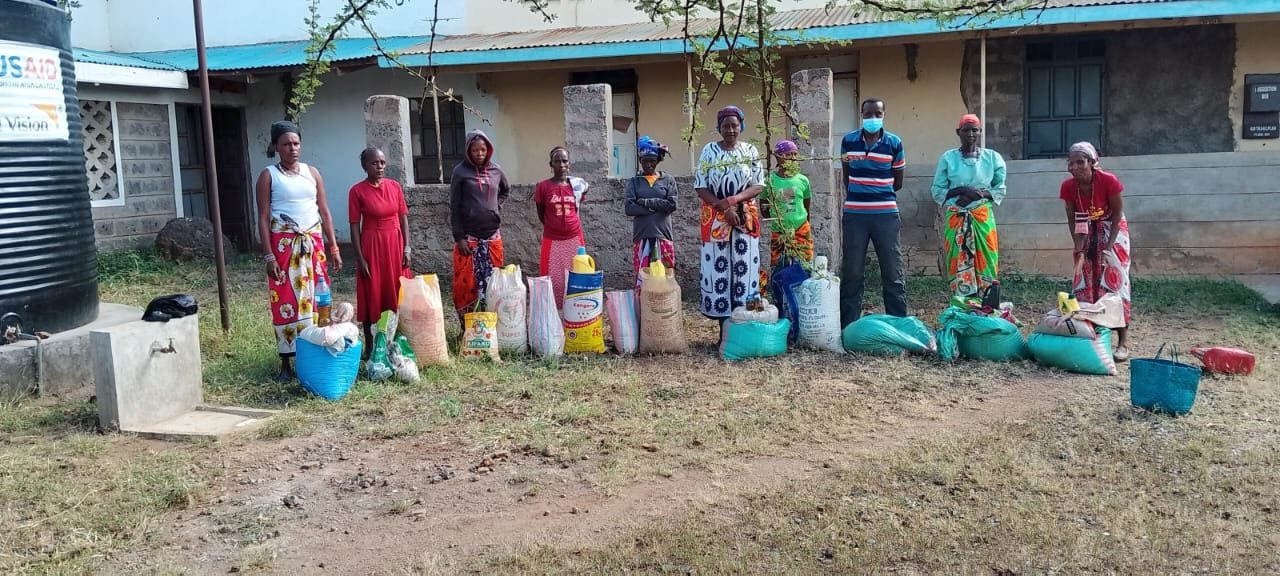
When funding allows, EK provides food relief packages to families in need. Each family is identified in partnership with the Ministry of Health.
Supporting Community Health Promoters
EK supports Community Health Promoters (CHPs) with education on nutrition and antenatal care, and provides the supplies they need for nutritional screenings and referrals in the community.
Program 07
Sanitary Pads & Youth Education
Periods keep girls out of school. EK distributes sanitary pads to girls and young mothers in need, and pairs them with the education young people need to look after their own health.
Pads where they are needed
Pads are donated to girls and young mothers in primary and secondary schools, particularly in marginalized areas where these commodities are often unavailable.
12,850 packs of pads provided to date.
Education that goes with them
Alongside the donations, EK delivers age-appropriate menstrual hygiene management, sexual and reproductive health, and mental health awareness sessions — with the long-term goal of health clubs that keep the learning going between visits.
- 24,568 students educated across 110 school events
- Resource materials provided for teachers
Capacity Building
University Partnerships
Medical outreaches also serve as a learning and service platform for students and volunteers.
Entepesi Kenya has signed Memoranda of Understanding with local and international institutions to host student internships and clinical attachments, allowing learners to gain field experience in rural healthcare.
Volunteers, both skilled and unskilled, find the outreaches a rewarding way to contribute meaningfully to communities during their free time. These opportunities promote knowledge exchange, cultural learning, and the development of a new generation of empathetic, community-oriented health professionals.
See what these programs have achieved
Beneficiary numbers for every program area, updated from our annual reporting.